Closed for winter. Reopening at Easter 2027

Groups and hall hire all year, by arrangement

Next: Christmas Special Run Day, Sun 6 Dec

The Museum of Fenland Drainage · Prickwillow, near Ely

This land should be underwater.

The Fens were once a watery sea of reeds. Pumping turned them into farmland, and pumping keeps them dry. At Prickwillow you can stand beside the giant engines that did the job, and on run days, feel them roar back to life.

Under-16s
Free
Adults
£5
Parking
Free
From Ely
4 miles
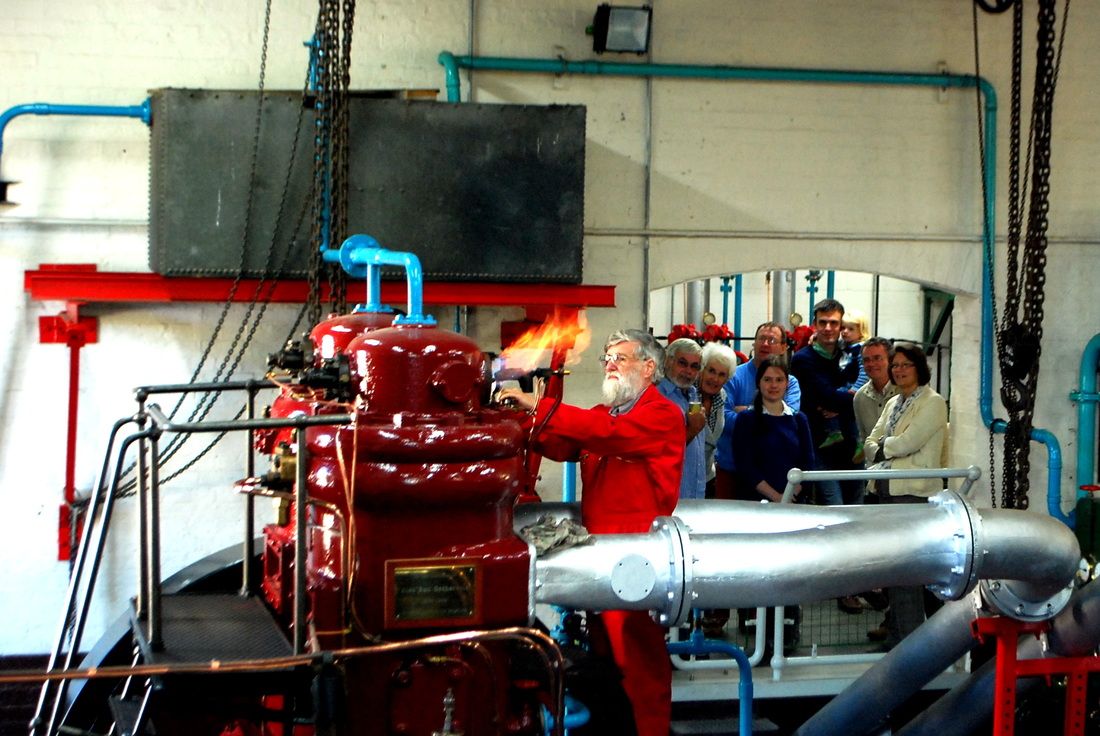
A volunteer in red overalls lights the blow-lamps on the red Vickers Petter engine while visitors look on
Run day: lighting the blow-lamps on our 1921 Vickers Petter
  • 1924The year our Mirrlees engine was installed at Prickwillow pumping station
  • 6.5tThe weight of the Mirrlees flywheel, on an engine still in working order
  • 1,391Combined horsepower of the seven big engines in our collection
  • 100+tOf British-built engine, restored and maintained by volunteers

01 How the Fens stay dry

In the Fens, the rivers run higher than the fields.

Drain a peat fen and the peat dries out and shrinks. Over the centuries the land sank, until the fields lay lower than the rivers beside them. So the water has to be pumped up and out, or this landscape would disappear under the waves again.

How a Fenland pumping station works A cross-section. Rain falls on fields that lie lower than the river. Drains collect the water, a pumping station lifts it up and over the bank, and the river carries it away between high banks. RIVER LEVEL FIELD LEVEL 1 2 3 4
  1. 1Rain falls on the fieldsThe shrunken peat leaves the land lower than the river.
  2. 2Drains collect itA network of dykes and drains carries water off the land.
  3. 3A pumping station lifts itUp and over the bank. This is the job our engines did.
  4. 4The river carries it awayHeld between high banks, out towards the sea.
First

Wind

Windpumps lifted water off the drained land, but only when the wind blew.

Then

Steam

Steam engines brought reliable power as the peat shrank and the land sank lower.

From 1924

Diesel

A Mirrlees diesel engine was installed at Prickwillow pumping station. It's still here.
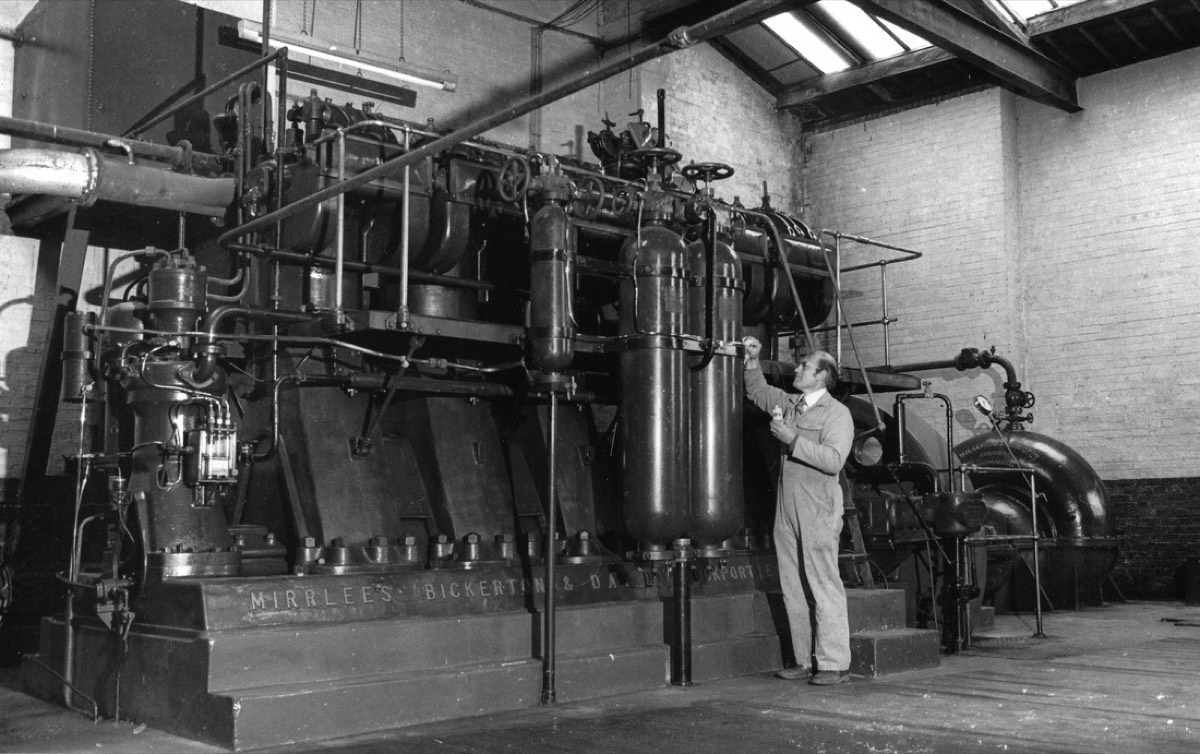
Black and white archive photograph of John Setchfield at the controls of the Mirrlees engine inside Prickwillow pumping station
John Setchfield, the last diesel pumping engine driver at Prickwillow, at the Mirrlees

02 The star of the show

Installed in 1924. Believed to be the last of its kind still working.

Our five-cylinder Mirrlees is the original engine installed at Prickwillow pumping station. Instead of a fuel pump, it uses a blast of compressed air to drive fuel into each cylinder, just like the earliest diesel engines. It's believed to be the only blast-injection engine left in working order.

Maker
Mirrlees, Bickerton & Day, Stockport
Built
1924
Injection
Air blast
Power
250 BHP at 250 rpm
Flywheel
6.5 tonnes, approx.
Engine
25 tonnes, approx.

03 Engine run days

Feel the floor shake.

On run days our volunteers bring the giants back to life. Watch the blow-lamps heat the Vickers Petter's bulbs to white heat, hear the thump of its exhaust, and feel tonnes of flywheel come up to speed.

When
Second Sunday of the month, April to October
Open
12 to 4pm
Café
Hot and cold food
Classics
Free entry for the driver of a pre-1990 vehicle, April to September
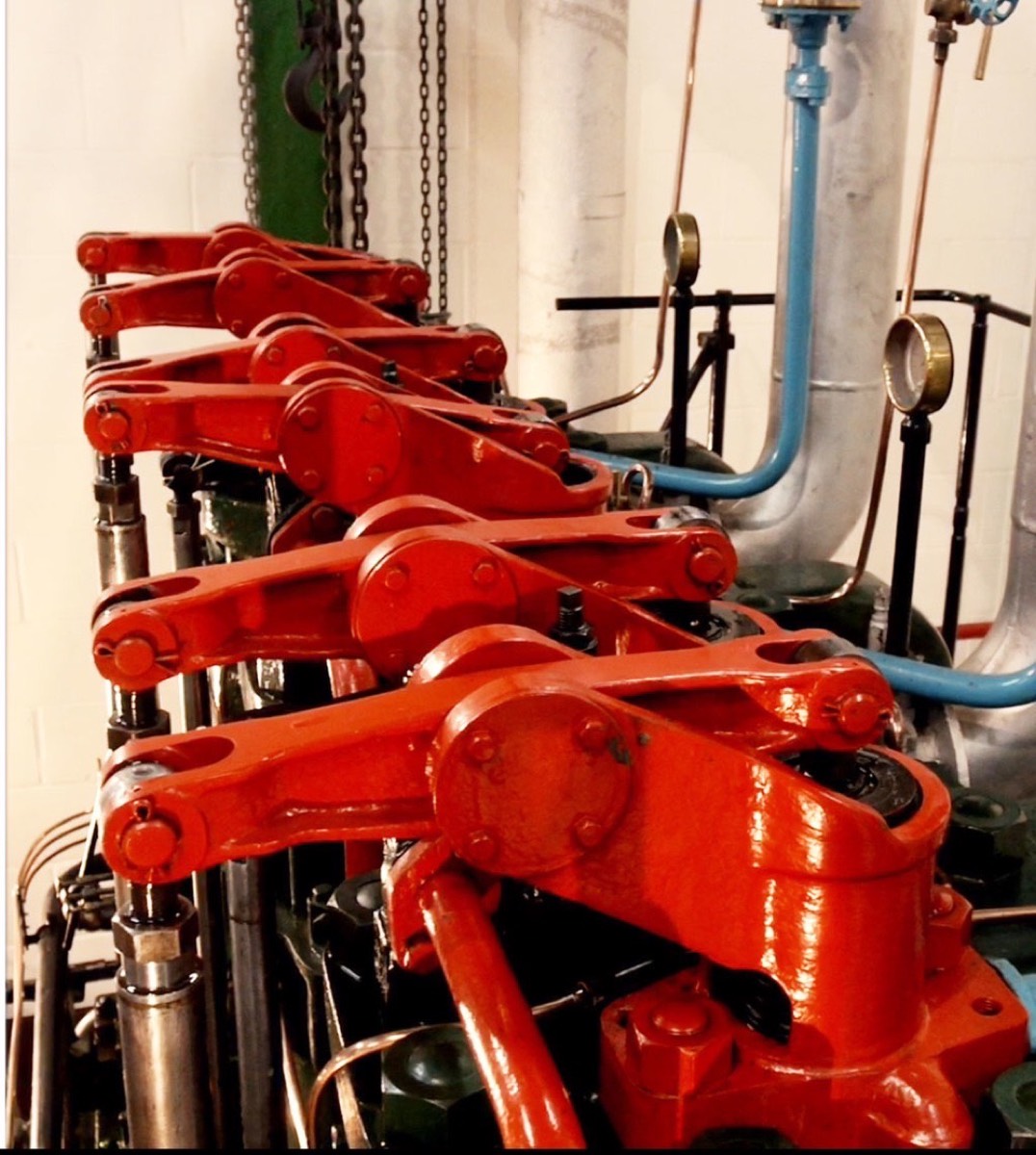
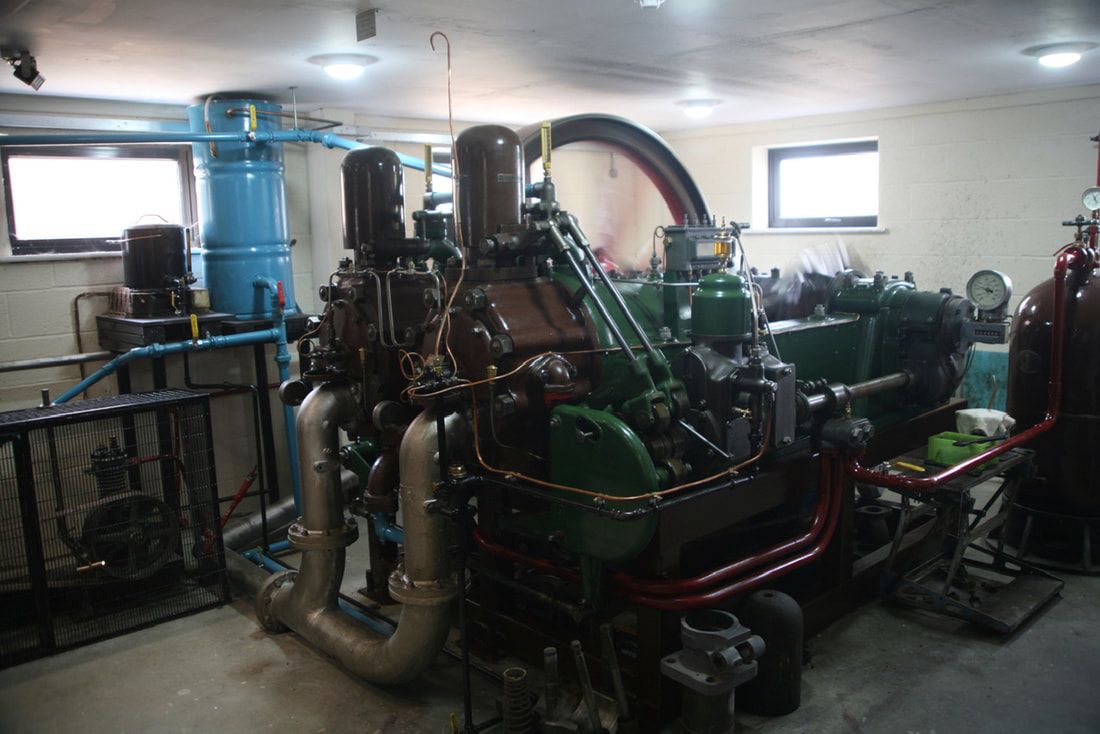
Bright red rocker arms on top of one of the museum's restored diesel engines

05 Plan your trip

Who's coming?

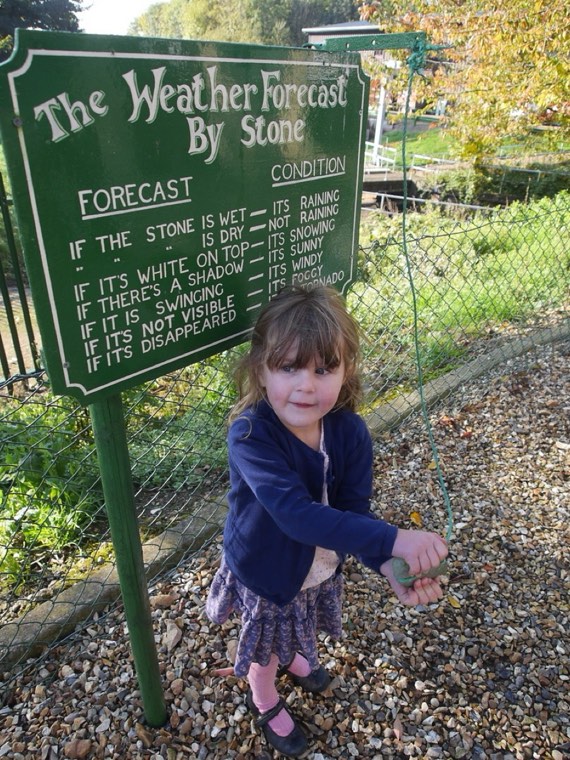
A young girl tests the Weather Forecast by Stone sign in the museum garden
Families

Big machines, small prices.

Under-16s go free with an adult, so a family day out costs one adult ticket. Watch the engines, test our Weather Forecast by Stone, then picnic on the riverbank or grab an ice cream in the café.

  • Under-16s free with an adult
  • Café with drinks, light snacks and ice creams
  • Riverside picnic spot and walks
  • Accessible toilets and baby changing
See family events
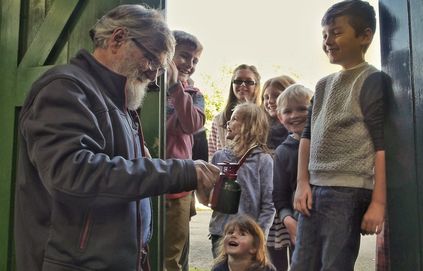
A museum volunteer shows an oil can to a group of smiling children
Schools

Half-day workshops for KS1 and KS2.

Hands-on science, history and geography in a real engine house. Pick a ready-made workshop, or ask us to tailor a session to your class.

  • Wind, Steam & Dr Diesel! Science and history, KS2
  • Rivers. Geography, KS1 and KS2
  • Peter the Prickwillow Drainage Engine. Local history and science, KS1
Plan a school visit
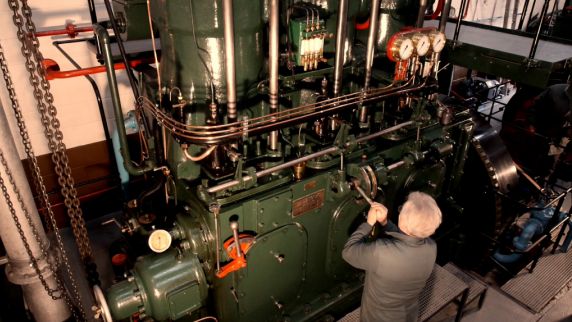
A volunteer at the controls of a large green diesel engine
Groups

Private tours, all year round.

Bring your club, society or coach party for an introductory talk, a private engine run, and tea or coffee with biscuits.

£8per person, minimum charge £160

Any time by arrangement, subject to volunteers being available. Conference and meeting packages, with lunches or buffets, priced on request.

Enquire about a group visit
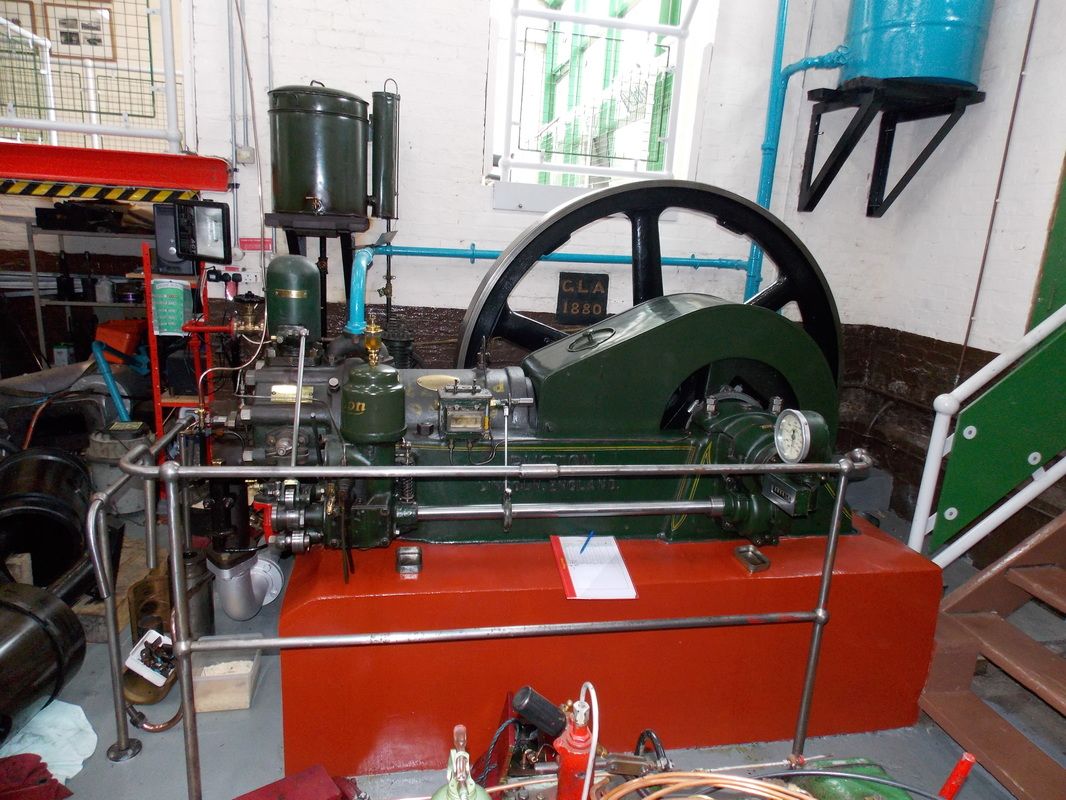
The museum extension, home to the rebuilt Ruston Hornsby 9HRC engine
Hall hire

Meet among the machines.

Hire our large main hall and areas of the extension for meetings, conferences and private events, when the museum is closed to the public. We can provide refreshments, including buffet meals.

06 What's on

Dates for your diary.

All events and prices
  1. Sun06Dec 2026

    Next event

    Christmas Special Run Day

    Children can visit Father Christmas in his grotto and receive a present, and make decorations and cards. See the engines run, a special exhibition of model fair rides, and pick up some unusual Christmas presents.

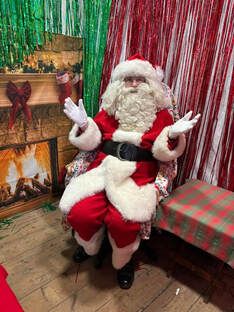
    Father Christmas in his grotto at the museum

    12–4pm
    £5 per child, with present and crafts
    Adults and concessions £5
    Christmas raffle · hot food

    Event details
  2. Mon16Nov

    Music at the Pump

    An informal acoustic evening. Bring a guitar, another instrument or just your voice, or sit back, listen and enjoy. Tea, coffee, soft drinks, snacks and a raffle.

    7.30–10pm
    Third Monday of the month
    Not July or August · no amplifiers
    Free, donations welcome

  3. SeasonApr–Oct

    Engine run days

    The engines run on the second Sunday of every month through the season, with hot and cold food in the café.

    12–4pm
    Second Sunday, April to October
    Pre-1990 vehicle? Driver free, Apr–Sep

  4. EveningsTalks

    Evening talks

    Local history, engineering and heritage talks from guest speakers, with drinks and snacks from 6pm. Booking required.

    Doors 6pm
    Non-members £5
    Members free

  5. SummerScience

    Family Science Day

    Experiments and activities for children aged 5 to 11, play for younger ones, and some of the engines running.

    12–4pm
    Free admission for all

07 Plan your visit

Find us by the River Lark.

Opening times

Easter to the end of September: Saturday, Sunday and Monday, 12 to 4pm. Groups welcome all year by arrangement. Check Facebook for any unexpected closures.

Admission

Adults £5, concessions £4, under-16s with an adult free. Event days may differ. We take cards (not American Express), cash and cheques.

Getting here

On the B1382 at the eastern edge of Prickwillow, by the bridge over the River Lark. Large free car park and moorings on the river.

Without a car

There's no regular bus from Ely. Hire a bike, take a taxi, or walk almost 5 miles from Ely station along the Fen Rivers Way and Hereward Way.

Facilities

Café with hot and cold drinks, light snacks and ice creams. Gift shop with books and DVDs, accessible toilets, baby changing, wifi and iPads to borrow.

Access

Wheelchair access to most of the museum, a rising walkway with views of the engines, and a hearing loop. To use the front entrance and its parking space, call 07793 117480 to arrange.

Dogs

Well-behaved dogs on leads and assistance dogs are welcome. Run days are likely to be too loud for them.

Prickwillow Museum
Main Street, Prickwillow, Ely CB7 4UN

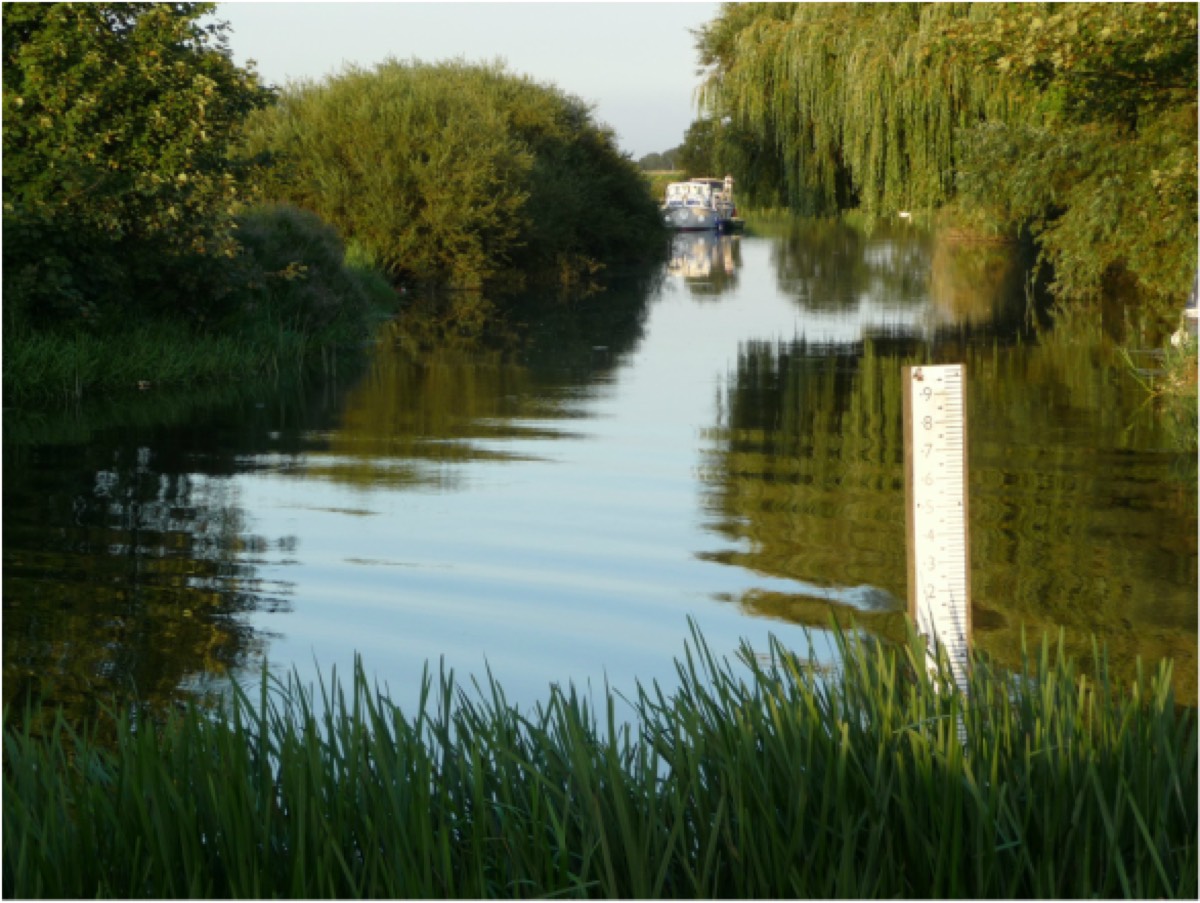
The River Lark at Prickwillow, with a boat moored beyond a water-level gauge

Make a day of it: walk from Ely along the river and cross the Ouse at Cuckoo Bridge. Look out for marsh harriers, maybe even a bittern. River Lark at Prickwillow. Photo: Mike Penberth

08 Support us

Kept running by volunteers. Kept going by you.

Prickwillow Museum is a small, volunteer-led charity. Every membership, 100 Club entry and donation helps keep these engines turning for the next generation.

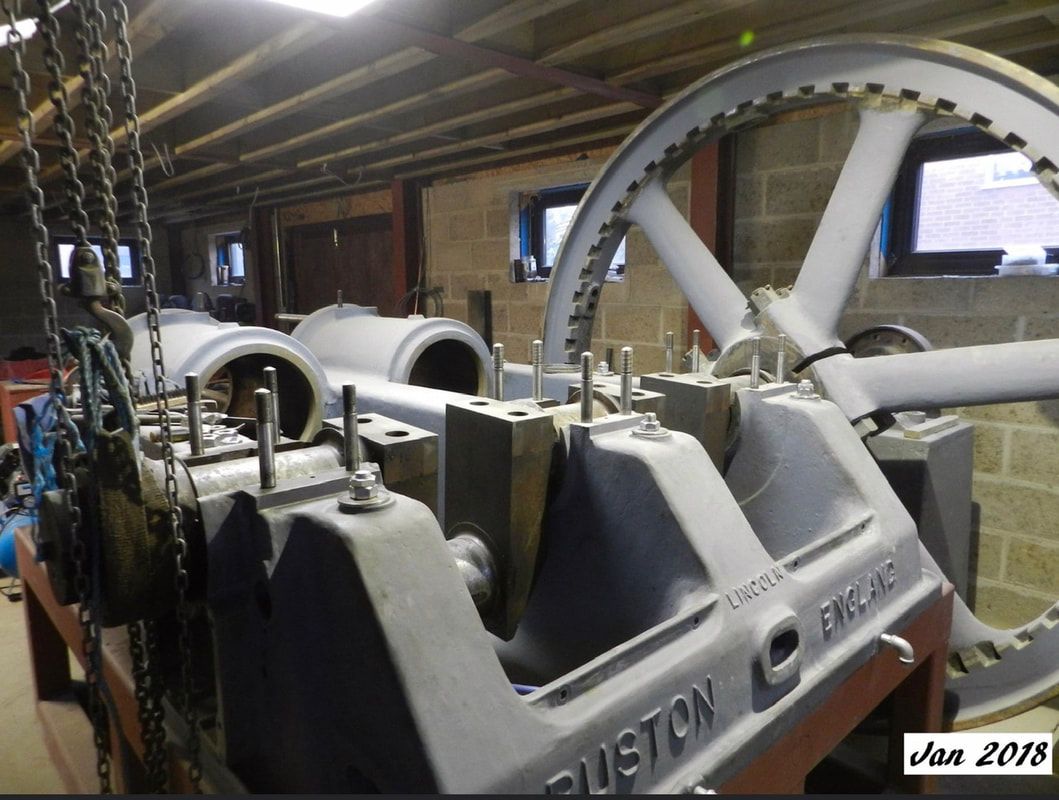
Corroded Ruston Hornsby engine castings in January 2018, before the rebuild
Before: 2018
The rebuilt Ruston Hornsby 9HRC on display in the museum extension
After: 2022
What volunteers do

From a barn to running again.

The Ruston Hornsby 9HRC left service in 1992 and spent over 20 years stored in a barn near Prickwillow. From 2014 volunteers brought its parts here, then spent four years repairing, re-engineering and re-piping it. On 25 September 2022 it ran in public again.

Most popular

Friend of the Museum

£25/ year

Joint membership £50

Free entry during normal opening hours and general events, as often as you like. Bring one of your own under-16s too.

Become a Friend
Get hands-on

Working member

£15/ year

Working couple £30

Welcome visitors, help with learning, or maintain the engines and buildings. Make friends and learn new skills.

Volunteer with us
Have a flutter

100 Club

£100prizes

Monthly, plus annual bonuses

Monthly cash prizes of up to £100 and annual bonus prizes of up to £420, all helping the museum. Terms apply.

Join the 100 Club
Any amount helps

Donate

£you choose

Online, in a couple of minutes

A big thank you to everyone who has donated so far. It really helps.

Donate on GoFundMe
QR code for the museum's GoFundMe donation pageOr scan to give from your phone

Memberships run from 1 April to 31 March. Friends' free entry doesn't include evening events, children's activity days or third-party events.

Plan a visit Directions