Industrial automation for malt, flour, beer and feed, proven before it goes live.
Suffolk Automation is an industrial automation firm in Hadleigh, Suffolk. Since 1998 we have written the PLC and SCADA software, built the control panels and installed the systems for maltings, flour mills, breweries and feed plants. Every system is simulated and tested in our workshop before it reaches your site.
We’ll come to your site at a time that suits you and talk it through.
The stages of a maltings, in order:
- IntakeIn above 14% moisture, dried to 12%
- SilosHeld below 14°C
- SteepWarmed by recovered waste heat
- GerminationTurned, aired and humidified
- KilnDried from 43% to 4.5% moisture
- OutloadingWeighed and dispatched
An illustrated maltings line. The limits come from our own case studies.
Some of the manufacturers we work for











6 PLCs, 4 days, 1 shutdown.
Crisp Malting Group’s malthouse at Ditchingham ran on six GEM80 PLCs that were becoming unreliable. Spares were hard to find, and after a power cut it took three to four hours to bring the plant back.
We agreed a functional design specification with Crisp, wrote the software for six new Mitsubishi Electric Q Series PLCs and ran a full simulation of the plant at our premises with Crisp’s team. Then we changed the whole system over in four days, inside a scheduled service window.
“If we experience a power cut now it takes minutes to restart the system, not hours.”

One team, from site survey to switch-on
Every project moves through six stages, and none can start until the one before it is signed off. Here they are, drawn the way we would program them.
-
When Site surveyed and Process mapped
then: FDS written
We visit, survey the site and work out what your plant has to do. The functional design specification (FDS) puts it in writing.
-
When FDS agreed
then: Panels drawn in EPLAN
Layouts and schematics are drawn in EPLAN, the industry-standard electrical CAD, and you see them before anything is built.
-
When Drawings signed off
then: Built and programmed
We build the panels and write the PLC and SCADA software in our Hadleigh workshop, on Siemens, Mitsubishi Electric, Schneider Electric or Allen-Bradley hardware.
-
When Plant simulated and FAT passed
then: Cleared for site
A factory acceptance test (FAT) runs the software against a simulation of your plant, with your team in the room.
-
When CDM plan in place and Shutdown booked
then: Installed and switched over
Our own installation team does the work, with our in-house health and safety inspector, following the CDM Regulations and your site rules.
-
When Commissioned and SAT passed and Tested to IET guidelines
then: Handed over, running
Commissioning, site acceptance tests (SAT) and NICEIC installation test reports, then the full documentation: schematics, bills of materials and point-to-point wiring lists.
SafeContractor approved, with full documentation on every handover.
Book a site visitFrom field wiring to the SCADA screen
Everything a control system needs, from one industrial automation team. Use the five services together for a turnkey project, or on their own.
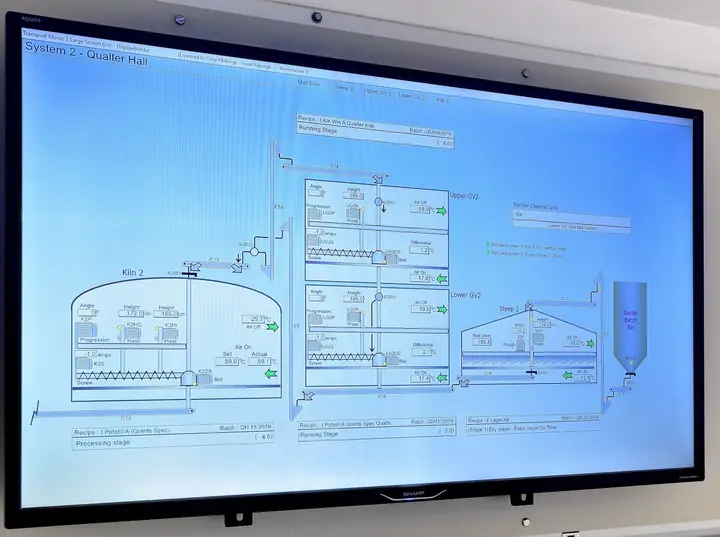
PLC, HMI and SCADA software
We write the PLC code for your process, then the SCADA or HMI screens your operators run it from. New systems, or changes to the one you already have.
- A live mimic of the plant
- Alarm handling, with critical alerts sent by SMS
- Recipes for each product you make
- Real-time and historical trends, and production reports
- Remote viewing for supervisors
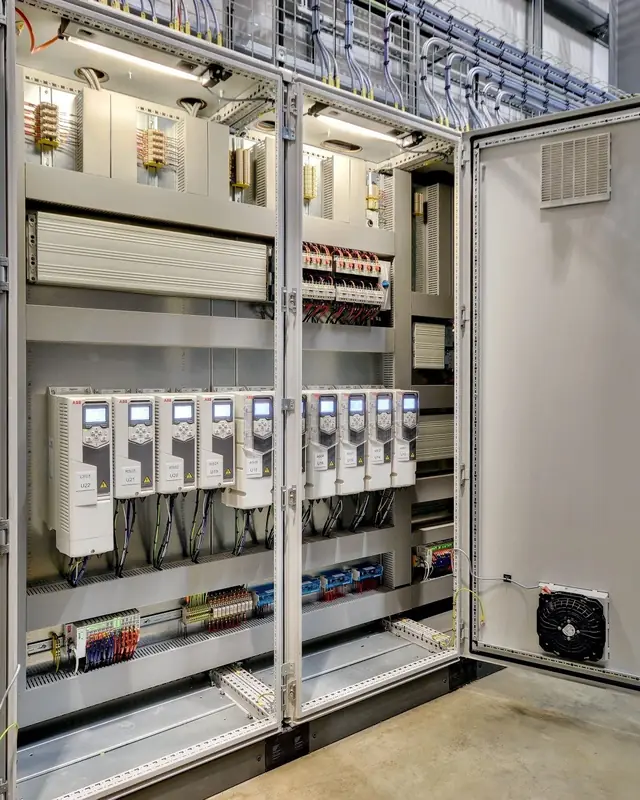
Control panels
Designed in EPLAN and built in our workshop: multi-bay panels, wall-mounted and machine-mounted enclosures, each with full documentation and a factory acceptance test before it leaves.
We build with: SiemensMitsubishi ElectricSchneider ElectricAllen-Bradley
Control panels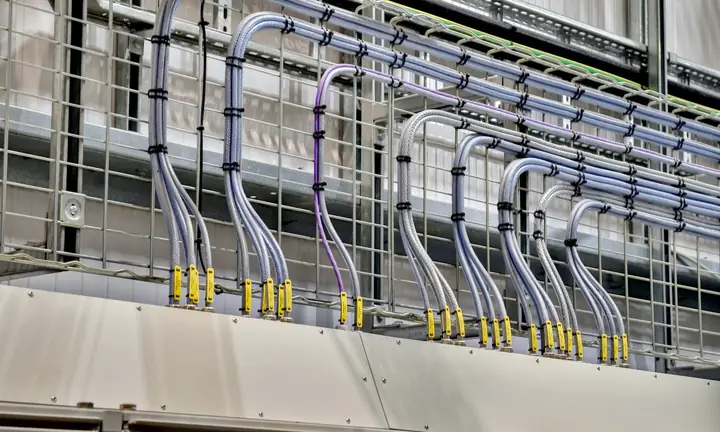
Electrical installation
A site survey first, then health and safety checks under the CDM Regulations and an installation planned around your production. We commission and test to current IET guidelines, with NICEIC test reports.
We will install equipment we didn’t design, too.
InstallationsSilo temperature control
Probes in every silo and fans that start themselves when the outside air is cool and dry enough. Stored grain is watched 24 hours a day and kept below 14°C, which protects it from pests, moulds and Ochratoxin A, and the big fans only run when they’re needed.
Temperature control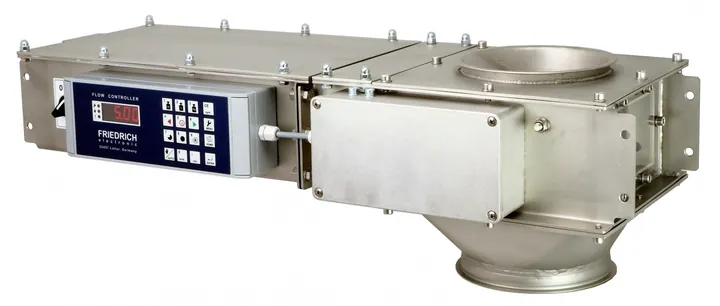
Weighing, dosing and moisture control
We’re the UK distributor for FRIEDRICH electronic of Lollar, Germany. Their inline flow weighers and controllers weigh, dose and blend product as it moves, and keep grain at the moisture you set. We supply, install and commission them.
Weighing and dosingMalting, milling, brewing and feed, stage by stage
We have worked inside these four processes since 1998. Choose yours to see where we come in.
The stages of a maltings, in order:
- Intake
- Silos
- Steep
- Germination
- Kiln
- Outloading
Malting
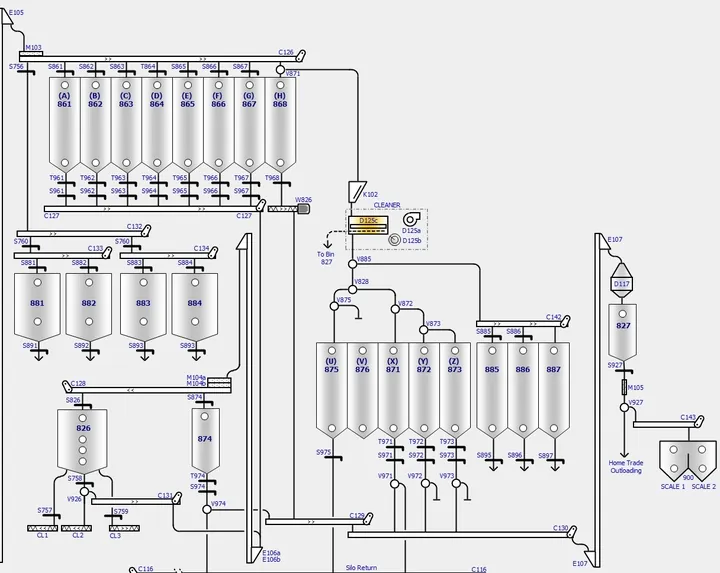
Malting is slow, and the grain has to stay alive from the silo to the kiln. We control the whole run.
- Silo temperature control that holds stored barley below 14°C
- Steep control, including heat recovered from waste hot water
- Germination and kilning from one PC, with a recipe for each malt
- Kilns that dry green malt from 43% to 4.5% moisture without losing its enzymes
Malting automationSCADA software for a germination kiln vessel
Maltsters we have worked for Crisp Malting Group, Muntons, Boortmalt and Simpsons Malt
The stages of a flour mill, in order:
- Intake
- Cleaning
- Conditioning
- Milling
- Sifting
- Packing
Flour milling
Mills run hard and can’t wait on a slow changeover. We replace legacy control systems and add measurement and temperature control for millers including Whitworths, Carr’s Flour and G.R. Wright & Sons.
- PLC control panels and SCADA software for the whole mill
- Legacy system replacement, planned around your shutdown
- Grain moisture control and inline flow weighing from FRIEDRICH electronic
- Temperature monitoring for stored grain
Book a mill site visit“All installation works were completed in good time before the planned shutdown and the changeover from old to new PLC went according to plan. The plant started up on time and ran reliably thereafter.”
The stages of a brewery, in order:
- Malt intake
- Milling
- Mashing
- Boiling
- Fermenting
- Packaging
Brewing
Brewers need consistent beer in large volumes, and fast answers when something goes wrong. We build machine control panels and SCADA software for breweries, including Greene King and Adnams.
- PLC, HMI and SCADA control across the brewhouse
- Upgrades for older control systems
- Panels designed, built and installed by our own team
Brewers we have worked for Greene King and Adnams
Book a brewery site visitThe stages of a feed mill, in order:
- Intake
- Grinding
- Weighing
- Mixing
- Pelleting
- Bagging
Animal feed and pet food
Feed plants make huge volumes to tight recipes. We have built control panels, software, measurement and temperature control for commercial feed and pet food makers, including Supreme Petfoods here in Hadleigh.
- Control panels and PLC software for the line
- Inline weighing and dosing, including liquids, with FRIEDRICH electronic equipment
- Temperature and measurement control
Feed makers we have worked for Supreme Petfoods
Book a feed plant site visitMany of Muntons’ site standards started as our installs
“Suffolk Automation has been used by Muntons for automation works whether large scale projects or smaller modification works for the last 10+ years. Over the years we have forged a close working relationship with Suffolk Automation and many of our site standards have been derived from Suffolk Automation’s original installs.”
“Mark and his team maintained a close liaison with us from the inception of the project through to completion. They have continued to work with us as the factory has evolved and supported us through the inevitable bedding in period.”
A Hadleigh firm since 1998
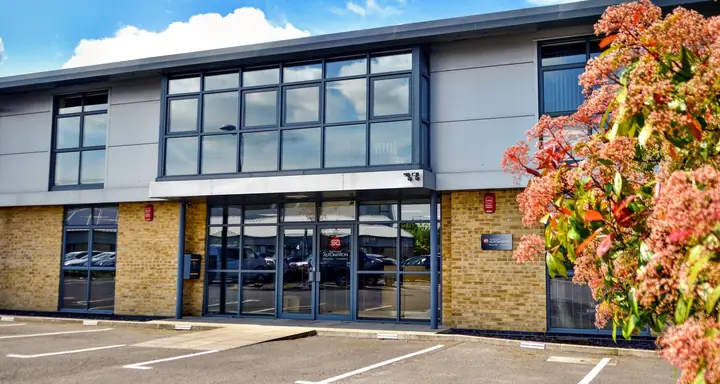
We set up in 1998 to take manufacturers’ industrial automation projects from design to installation, and we still do all of it in-house. Managing director Mark Chisnall leads our software engineers, panel builders and installation team from Unit 4, Hadleigh Enterprise Park.
Health and safety sits with our own inspector, and we are SafeContractor approved. Clients keep us on after handover: Muntons have used us for large projects and small modifications for more than ten years.
- Founded
- 1998
- Approved
- SafeContractor
- Workshop
- Unit 4, Hadleigh Enterprise Park, Suffolk
- Platforms
- Siemens, Mitsubishi Electric, Schneider Electric, Allen-Bradley
Questions plant engineers ask us
Something else? Call us on 01473 829188.
What is the difference between a PLC and a SCADA system?
A PLC (programmable logic controller) is the industrial computer that runs the plant. It reads the sensors, makes the decisions and drives the motors, valves and fans. SCADA is the software on a PC in the control room. It shows the plant as a live mimic, raises alarms, stores trends and produces reports, and it lets an operator start a process with a click.
An HMI is a smaller operator screen, usually on a panel door. We write all three, so they are designed to work together from the start.
Can you replace an old PLC system without a long shutdown?
We plan changeovers around the shutdowns you already have. The new software is written and tested against a simulation of your plant before we arrive, so the time on site goes on swapping hardware and proving it works.
At Crisp Malting Group’s Ditchingham malthouse we replaced six GEM80 PLCs with Mitsubishi Electric Q Series in four days, inside a scheduled service window. At Carr’s Flour the changeover to the new PLC went to plan and the plant started up on time. We look at your system and your shutdown dates on the site visit and tell you what fits.
Which PLC and SCADA platforms do you work with?
We build with Siemens, Mitsubishi Electric, Schneider Electric and Allen-Bradley equipment, and Mitsubishi Electric is our preferred vendor on many projects. If your site has standardised on a platform, we work to your standard. If you are starting fresh, we recommend one and explain why.
Control panels are designed in EPLAN and handed over with schematics, bills of materials and point-to-point wiring lists.
Do you only work with maltings, mills, breweries and feed plants?
Those four are our speciality. We have also worked for other manufacturers, including Celotex, and for G.R. Wright & Sons we did the electrical installation and control systems for a new bakery ingredients facility.
We also install equipment we did not design. If your plant stores, moves, weighs or blends bulk material, it is worth a conversation.
What happens at a factory acceptance test (FAT)?
Before anything goes to site, we run the finished panels and software with your team present, against a simulation of your plant. Together we step through the sequences, alarms and screens, check them against the functional design specification and change anything that needs changing while it is still easy.
Only then is the installation booked. After installation and commissioning, a site acceptance test (SAT) repeats the checks on your own plant.
How much does a new control system cost?
It depends on the size of the plant, the number of inputs and outputs, and whether you need panels, software and installation or just one of them. A small modification and a full plant upgrade are very different jobs.
We quote once we have seen the plant and understood what it has to do, so the first step is a site visit at a time that suits you.
Where are you based, and do you work on site?
Our offices and workshop are at Unit 4, Hadleigh Enterprise Park, Crockatt Road, Hadleigh, Suffolk IP7 6RJ, between Ipswich and Sudbury. Our installation team works on clients’ own sites, from Crisp Malting Group’s malthouse at Ditchingham in Norfolk to Supreme Petfoods here in Hadleigh.
Call 01473 829188 to talk about yours.
Book a site visit
Tell us about the plant and what needs doing. We’ll arrange a visit at a time that suits you, look at what you have and talk through the options.
- 01473 829188
- info@suffolk-automation.co.uk
- Unit 4, Hadleigh Enterprise Park, Crockatt Road, Hadleigh, Suffolk IP7 6RJ