Stop 1 of 9, Terminal
Blast-enhanced entrance
Automatic sliding doors that open like any other entrance, tested to resist a car bomb at 25 metres.
- ISO 16933 EXV25
- BS EN 16005
- Openings to 8.4 m
We build, supply, install and look after the equipment that powers aircraft on stand, and the doors people walk through to reach them. One Sussex engineering team, at work from Heathrow and Gatwick to London City and Glasgow.
Or call 0800 170 1515, day or night.

Trusted at
Choose your route
Most airports buy stand power from one supplier and secure entrances from another. With JLC, one company designs, installs and maintains both, from the terminal door to the aircraft stand.
Terminal to plane
Follow the line from the landside kerb to the aircraft. Tap a number to see what we supply, install and maintain at each stop.
Automatic sliding doors that open like any other entrance, tested to resist a car bomb at 25 metres.
Two interlocked door sets let arriving passengers out to the public side and stop anyone walking back airside.
Glass-panel gates that work with any access control system, with anti-trap sensing and break-out for evacuation.
Solid-state, battery and diesel ground power, plus pre-conditioned air, from ITW GSE. We commission and service them as its authorised UK partner, and watch them remotely with our GPCS.
Pop-up, hatch and mini pits that bring 400Hz and 28V DC up from below the apron, then sink flush again.
Our own design, built in Sussex. One person walks 400Hz power from the pit to the aircraft, up to 30 metres away.
Output cables made and tested in-house, with stress-relief lanyards that take the weight off the aircraft plug.
Waste fuel, oil and lavatory bowsers, wheel trolleys and cable reels, most of them designed with British Airways.
High-speed doors and shutters that lift on the crash alarm, like the four we fitted and maintain at London City.
Ground power
At the UK’s major airports, the rules are clear: aircraft must use fixed ground power whenever it’s available, and keep their noisy, fuel-hungry auxiliary power units switched off. When a stand loses power, the aircraft waits, burns fuel, or both. We make sure it doesn’t.
Sources: UK AIP aerodrome entries, AIRAC 1 October 2026; IATA APU fuel flow figures.
Designed and built in Lower Dicker
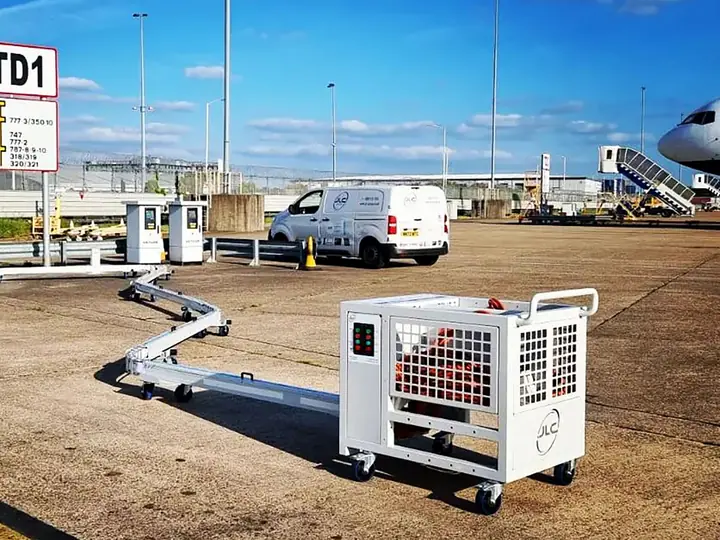
Designed and built by JLC as the second generation of the Crocodile. One person walks 400Hz power from the stand to the aircraft, with no cables dragged across the apron.
Configurator
In 3 m stainless modules, from 6 m to 30 m.
18 m carrier, six modules, two 90 kVA 400Hz outputs, stamp lock brakes.
Request a quote for this spec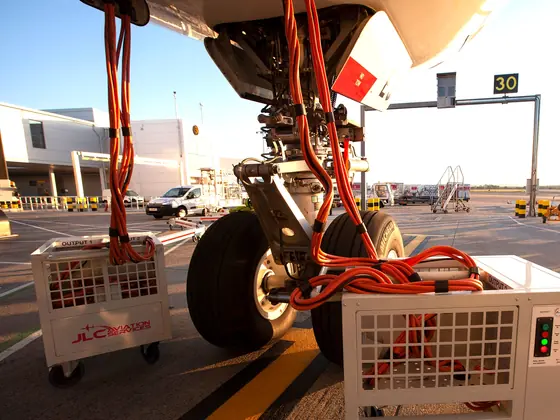
Made by our electrical engineers and tested before they leave the workshop. 6.5 m and 10 m 400Hz cables are held in stock, 28V DC and custom lengths are made to order, and every cable carries a 12-month warranty.
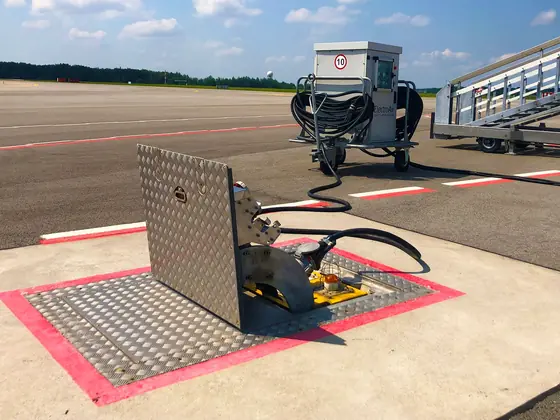
Pop-up, hatch and mini pits for 400Hz and 28V DC. Up to four outputs, room for pre-conditioned air hoses, built-in ventilation and drainage, and a lid that opens with less than 10 kg of effort.
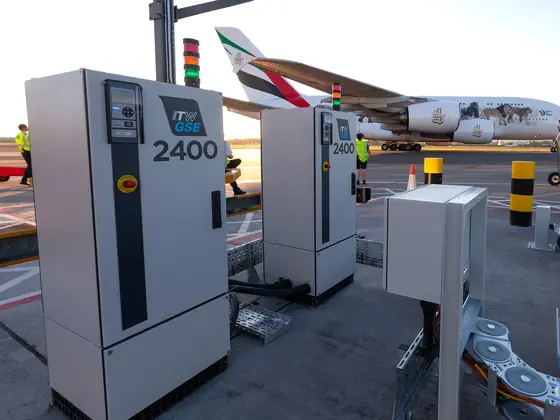
As ITW GSE’s authorised UK partner since 2017, we supply, commission and service solid-state, battery and diesel units, from the 2400 and 7400 eGPU to the 28V DC 1400, plus pre-conditioned air and reconditioned AXA 2300 units for smaller airfields.
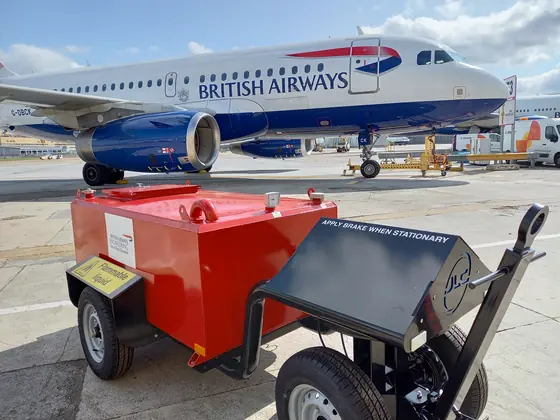
Waste fuel and oil bowsers (970 L), a lavatory waste bowser (1,050 L), aircraft wheel trolleys and extension cable reels, designed and built in Sussex, most of them with British Airways engineers at Heathrow.
Remote monitoring
Our GPCS, built with Beam Connectivity, reads every ground power unit’s performance and fault data over 4G. Alarms reach your phone, so an engineer is on the way before an aircraft taxis on to a dead stand.
Example dashboard. Illustrative data.
Estimator
When fixed ground power fails, the aircraft runs its APU for the whole turnaround. Put in your own numbers to see the fuel, carbon and money a dead stand burns.
Estimate only. APU fuel flow: A320 126 kg/h, A330 210 kg/h, B777 312 kg/h (IATA). CO2: 3.16 kg per kg of jet fuel. Ground power electricity: 35, 60 and 80 kW average draw at £0.25 per kWh. Your airport’s APU rules, aircraft and contracts will change the real figures.
Talk to us about stand uptimeSecure entrances
Blast, break-in and fire protection that opens like any other automatic door, so people move freely right up to the moment it matters. We’re the UK airport partner for Manusa’s security entrances, and we program, install and maintain them ourselves.
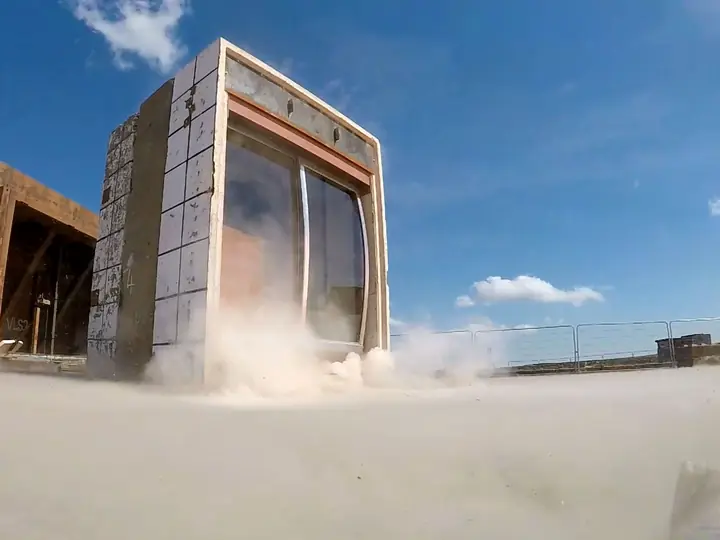
Our flagship entrance
Tested to ISO 16933 EXV25: the equivalent of 100 kg of TNT at 25 metres, roughly a car bomb. Yet day to day they are ordinary automatic doors, built to BS EN 16005, and they can still be opened by hand after a blast. Openings run up to 8.4 metres, the size of the one at Warner Bros. Studios.
An automatic door that resists a break-in for at least three minutes, with multi-point automatic locking and access control built in. For jewellers, pharmacies, data rooms and anywhere stock is worth stealing.
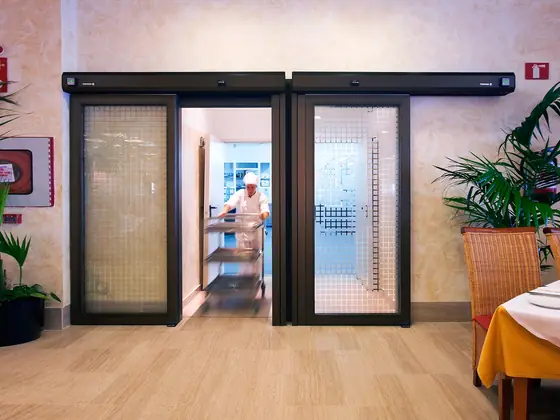
Glazed bi-parting or single-leaf sliding doors rated for 30 or 60 minutes. They slide open for people every day, and close to hold back fire and smoke when the alarm sounds.
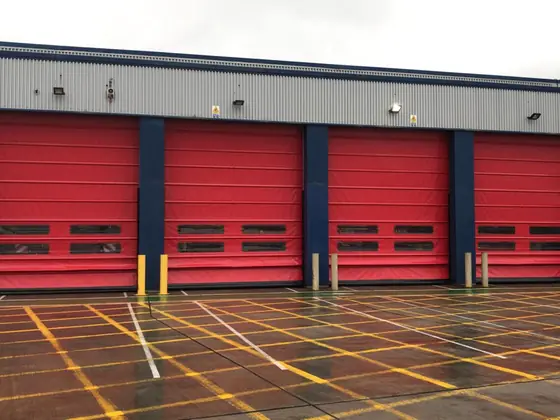
Roller shutters, fire curtains and high-speed doors, including the four fire station doors at London City Airport that lift on the crash alarm from the terminal or airfield operations.
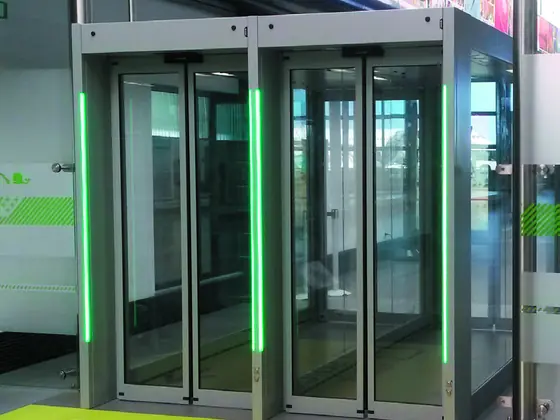
Anti-walk-back corridors for arrivals, ports and rail. Two interlocked door sets detect anyone going the wrong way and close the entrance door, without a guard posted on it.
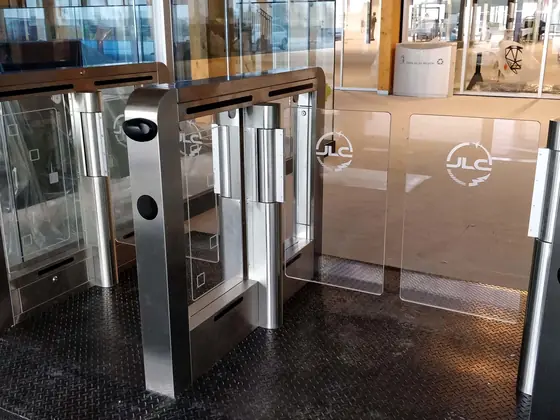
Swing-panel gates that work with any access control system, with anti-trap sensing and break-out for evacuation. We program the controllers ourselves, so they do exactly what your operation needs.
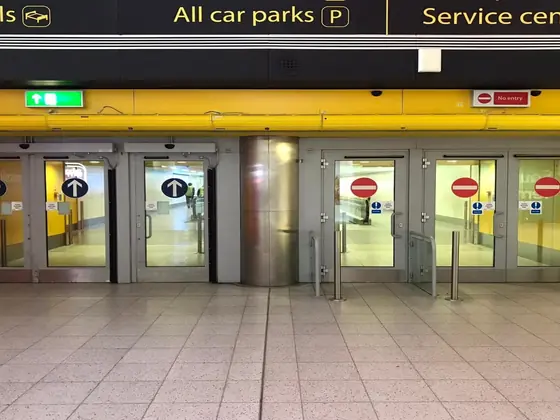
Sliding, swing and accessible doors, push pads and fail-safe operators, installed and maintained to BS EN 16005 and the Equality Act. We look after them at Gatwick, on police estates and on campuses.
Service and repairs
From the first survey to the hundredth service visit, it’s the same company on the job. We act as principal contractor, and our own certified engineers do the work.
A free site survey and an honest view of what you need.
Specified and drawn by our own engineers.
Made in our Lower Dicker workshop, where it can be.
Our teams, airside or landside, as principal contractor.
Tested, signed off and your people trained.
Planned visits and 24/7 reactive cover.
Tiered response times agreed in your contract, day and night.
Doors to BS EN 16005, ground power to the manufacturer’s schedule.
Cables, sockets and parts held in stock, plus PCB repair for older units.
Our own certified technicians on every job, never subcontractors.
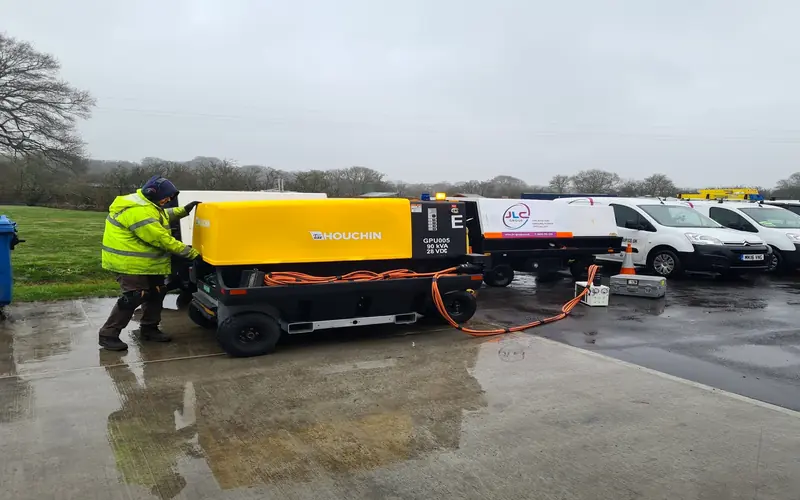
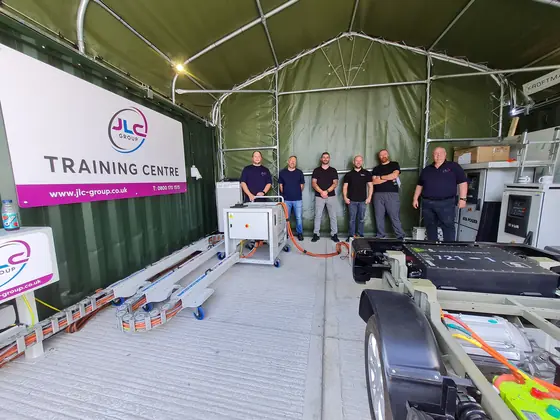
Airport engineers come to us to learn ground power: operation, safety, preventive maintenance and fault finding, on real units, a load bank and an Alligator. We also train on site.
Service, maintenance and training leaflet PDF, 5.8 MBStand or door down now? Call our 24/7 breakdown line.
0800 170 1515Projects
From British Airways’ stands at Heathrow to a film studio lot, a sample of the jobs we’ve designed, installed and still look after. Open any row for the detail.
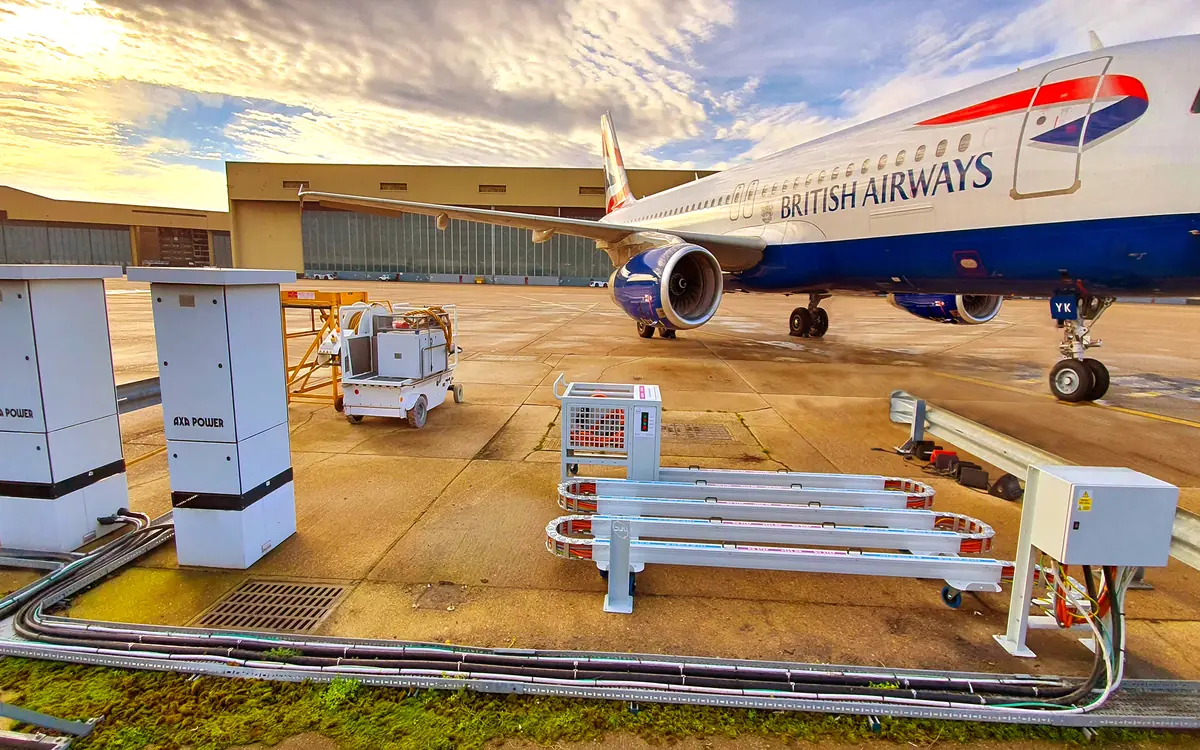
BA’s Heathrow engineers have worked with us for years. We have installed second-generation Alligator cable carriers on their stands, built waste fuel bowsers, an aircraft wheel trolley and 20 extension cable reels to their brief, relocated a ground power unit from a nose dock in one week instead of two, and installed an ITW GSE 3500 pre-conditioned air unit.
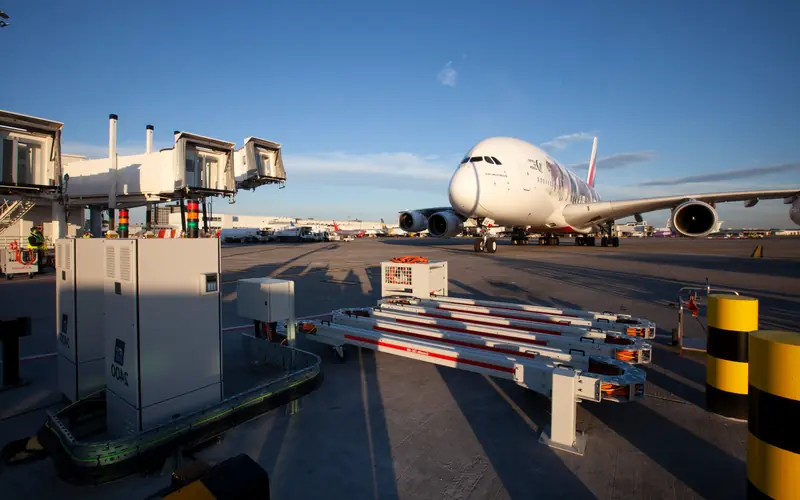
Glasgow needed ground power for a new A380 operation at short notice. We supplied four AXA 2400 ground power units and two 24 m dual-output cable carriers, which met the aircraft on stand.
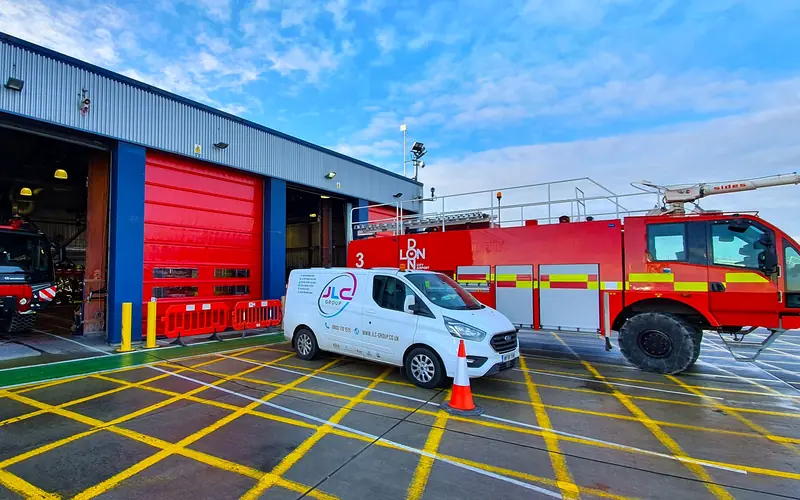
Four Turbo Fold high-speed doors, 4.3 m wide and 5.4 m high, rated to wind class 5. They lift on the crash alarm from the terminal or airfield operations, with a manual chain override. We managed the airside permits, added our own seals and brush strips, and still service them.
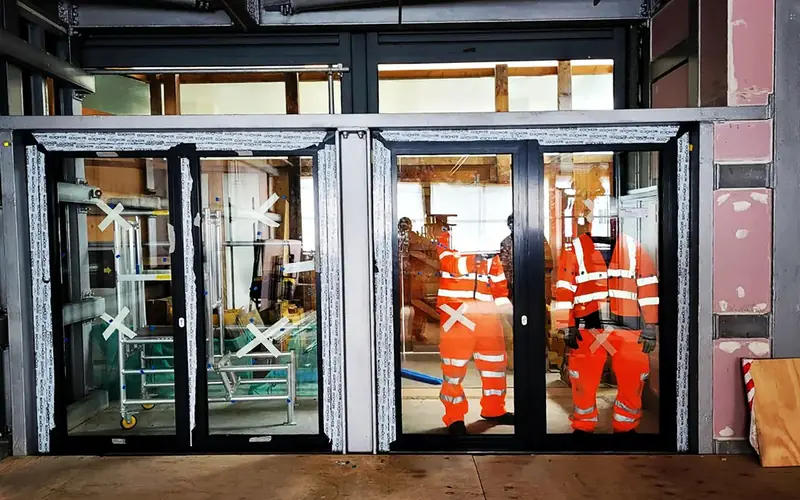
A blast-rated automatic sliding door system for Network Rail at Gatwick, supplied and installed by our own engineers in October 2023.
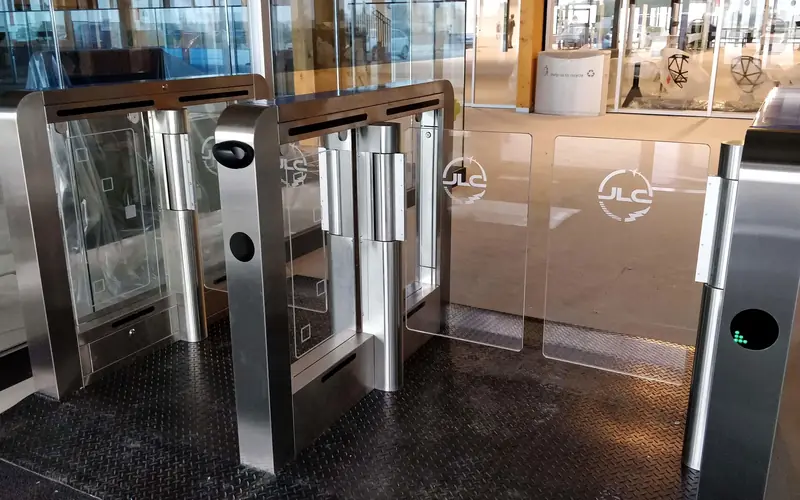
Three boarding gates and two one-way security corridors, installed and commissioned for Flight Solutions before Lelystad Airport opened, on time and on budget.
Nine blast-enhanced sliding doors and one standard sliding door, including one with an 8.4 m clear opening, the widest blast-enhanced sliding door we know of. All ten are now on a JLC service contract.
A five-year programme, begun in 2021, to replace and maintain more than 600 automatic door and access control assets across three Canterbury sites.
After trials at Gatwick and Birmingham, Lisbon Airport ordered nine of our cable carriers: the first JLC equipment sold abroad.
About JLC
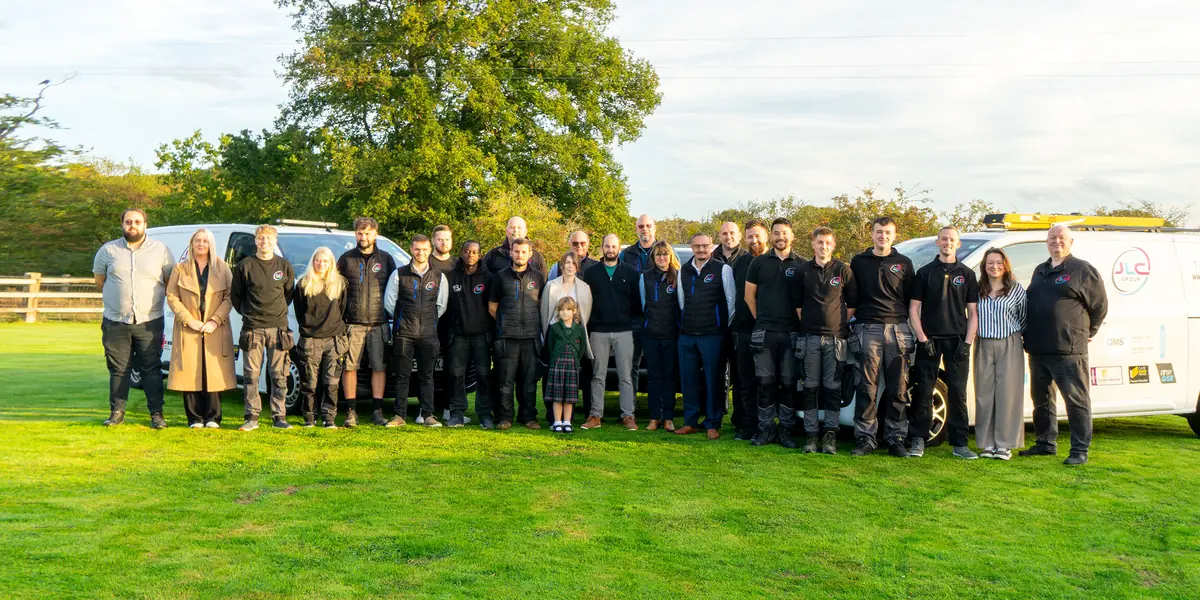
JLC is a family-run engineering company in Lower Dicker, East Sussex, led by managing director Tony Hayes. Our workshop, stores and training centre sit together at Nabbscott Farm, and our engineers work from there across the UK and beyond.
We started in automatic doors and grew into aviation. Today the same company keeps terminal entrances secure and aircraft stands powered, so one call covers the door and the stand.
Accreditations and memberships
Questions
Something else on your mind? Call 0800 170 1515 and ask an engineer.
Yes. We install and maintain equipment on live aprons, in terminals and in hangars, and we arrange the airside permits for the work. We can act as principal contractor, with full CDM capability.
As ITW GSE’s authorised UK partner, we commission, install and service AXA Power, Hobart and Houchin units, alongside fixed ground power, pits and cable carriers. We also supply reconditioned AXA 2300 units for aerodromes and heliports.
Yes. The Alligator is built from 3 m stainless modules up to 30 m, with one or two 90 kVA outputs and an optional 28V DC output. Send us your stand layout and we will specify it, or use the configurator above to start the conversation.
We hold 6.5 m and 10 m 400Hz output cables, test every cable before it leaves us and give each one a 12-month warranty. Custom lengths and 28V DC cables are made to order.
It is a blast test for glazing and doors. EXV25 means the door was tested against the equivalent of 100 kg of TNT at 25 metres, roughly a car bomb, with a peak reflected pressure of around 80 kPa.
No. The Act asks larger venues to take reasonably practicable steps, which can include controlling how people move into and through the building. Blast-enhanced doors are one option among many, and we will tell you honestly what your entrance needs.
No. We look after entrances for police forces, universities, film studios, retailers and rail, and ground power for military and helicopter bases.
Our workshop and training centre are at Nabbscott Farm in Lower Dicker, East Sussex, about an hour from Gatwick. We work across the UK and have delivered projects in the Netherlands and Portugal.
Request a quote
A door, a stand, a terminal or a whole estate: tell us what you need and a specialist will come back to you. Site surveys are free.