Aluminium sand and gravity die castings from Hadleigh, Suffolk Can It Be Cast? More Often Than Not.
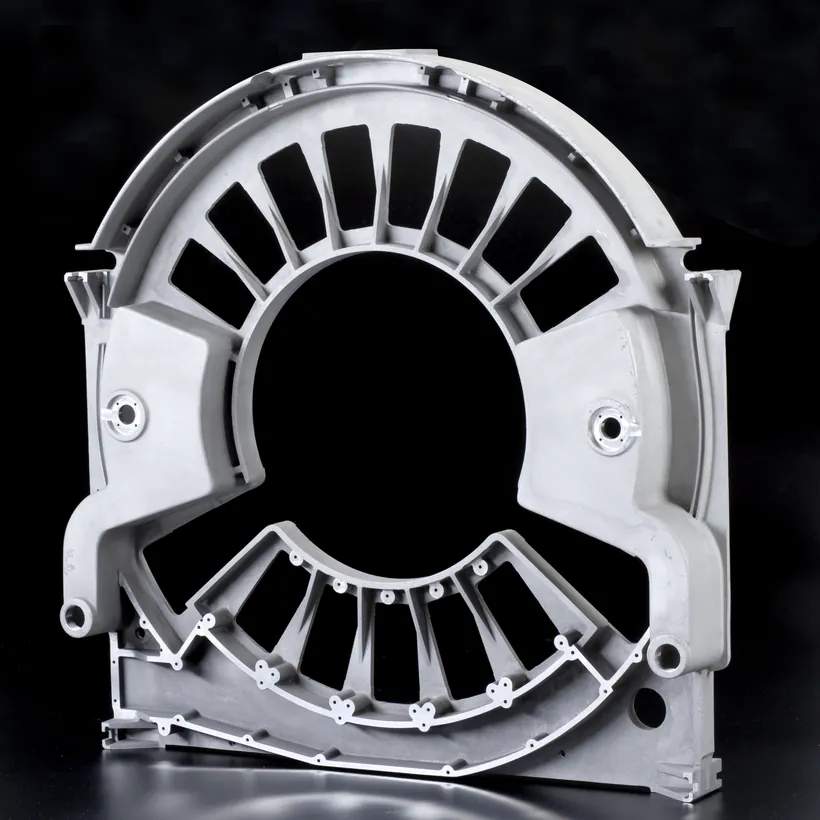
Some suppliers avoid difficult components. Hadleigh Castings has been built around them since 1969: patterns, precision sand and gravity die castings, CNC machining and inspection, under one roof in Suffolk.
Send your drawing or CAD model and we’ll review it with you.
- Cast weights, from a few grams
- 300+ kg
- Thinnest walls, in places
- 2.5 mm
- Family-run, in Hadleigh
- Since 1969
Certified and registered
- ISO 9001:2015
- EN 9100:2018 aerospace
- IRIS rail, since 2009
- Cyber Essentials
- JOSCAR
- Cast Metals Federation
Sectors
Parts We Can’t Name, for Sectors We Can.
A great deal of the work is carried out under individual privacy agreements, so customers stay unnamed. Different industries, same expectation: reliability without excuses.
-
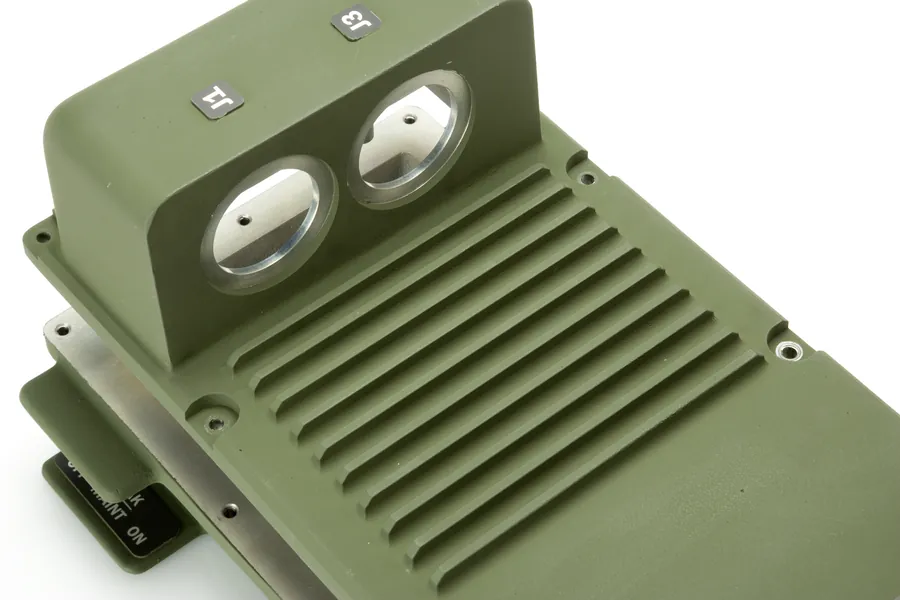
Aerospace and defence
Housings, enclosures and structural parts, where failure is not an option.
-
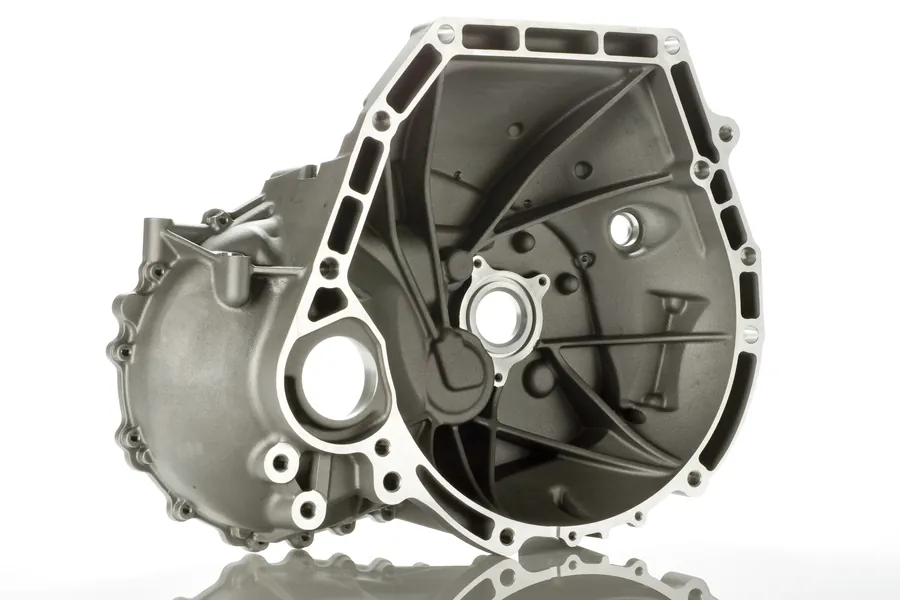
Automotive and performance
Gearbox casings and engine parts for motorsport, motorcycles and electric vehicles.
-
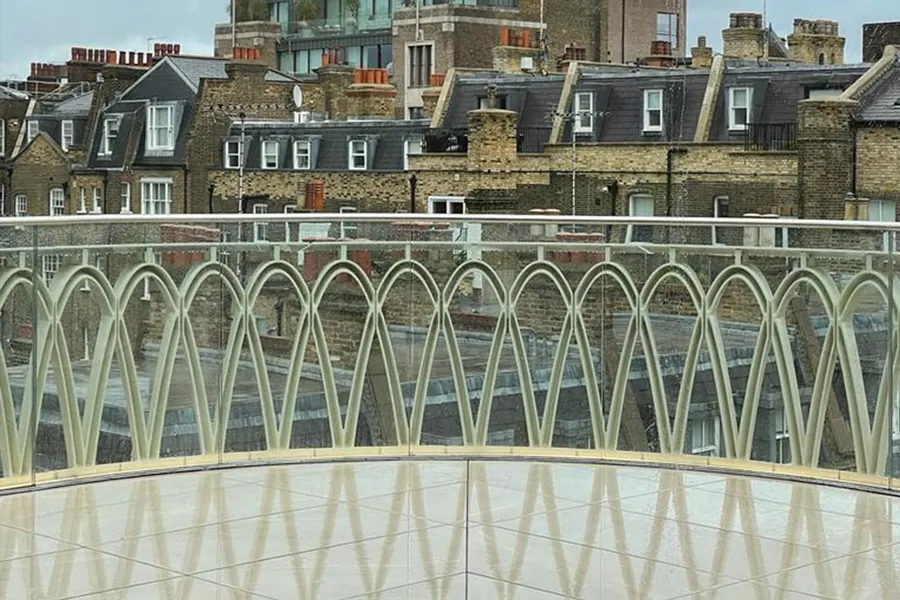
Architecture
Structural balustrades, rain-screen cladding systems and internal screens and panels.
-
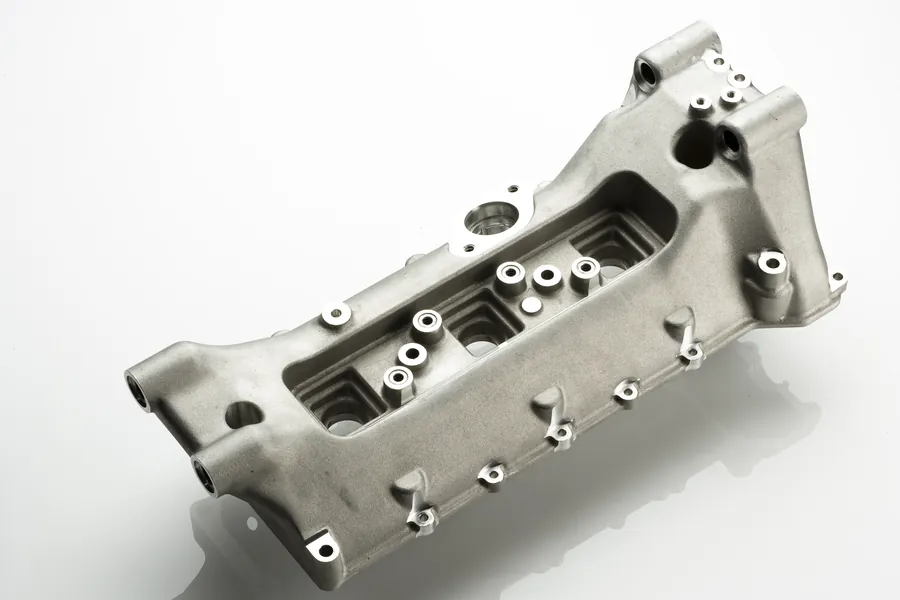
Marine, communications and industrial
Plus rail parts such as traction motor end covers, life sciences, and test and measurement equipment.


“Some of the most interesting briefs we receive start with: ‘We’re not sure if this can be cast.’ More often than not, it can.”
Capabilities
What We Can Cast, in Numbers.
Cast weights from a few grams to over 300 kg, walls down to 2.5 mm, and the rest of the figures engineers ask for first.
- ±0.53 mm
- As-cast tolerance on functional dimensions up to 175 mm. Closer with extra operations.
- 1,626 mm
- CNC machining travel in X, with 1,016 mm in Y and 762 mm in Z.
- 8 alloys
- From LM25 and A356 to the aerospace alloys 2L99 and L169, heat treated to suit.

- Sand casting
- Boxless moulding with modern resin systems and complex core arrangements, from prototypes to low and medium volumes.
- Gravity die
- Metal dies when larger volumes need a lower unit price, with cores made on semi-automatic machines.
- Alloys
LM4, LM6, LM9, LM25, LM31, A356, 2L99 and L169
Heat treated to suit. Alloy data sheets
- Drawings
STEP, IGES, CATIA, DWG, DXF, STL, PDF and TIF
Reverse engineering and laser scanning on site.
- Machining
- CNC on horizontal and vertical machining centres and lathes, in house.
Process
Drawing to Delivery, on Pond Hall Road.
Almost every step happens in one works in Hadleigh. The aim is to take the headache away from component sourcing.

Review
Design for manufacture advice, solidification modelling and mould fill simulation before any metal is poured.
Pattern
Patterns in wood, metal or epoxy resin, built to endure the process, with feeding systems designed by the methods engineers.
Mould
Boxless sand moulds and complex cores, or 3D printed moulds and cores when time is short.
Cast
Precision sand or gravity die casting, then fettling and heat treatment.
Machine
CNC machining on horizontal and vertical machining centres and lathes.
Inspect
CMM, laser scanning, ultrasonic and dye penetrant testing, in-house digital X-ray and pressure testing.
Deliver
Anodised or painted by audited specialists, assembled if needed, and delivered in Hadleigh’s own vans.
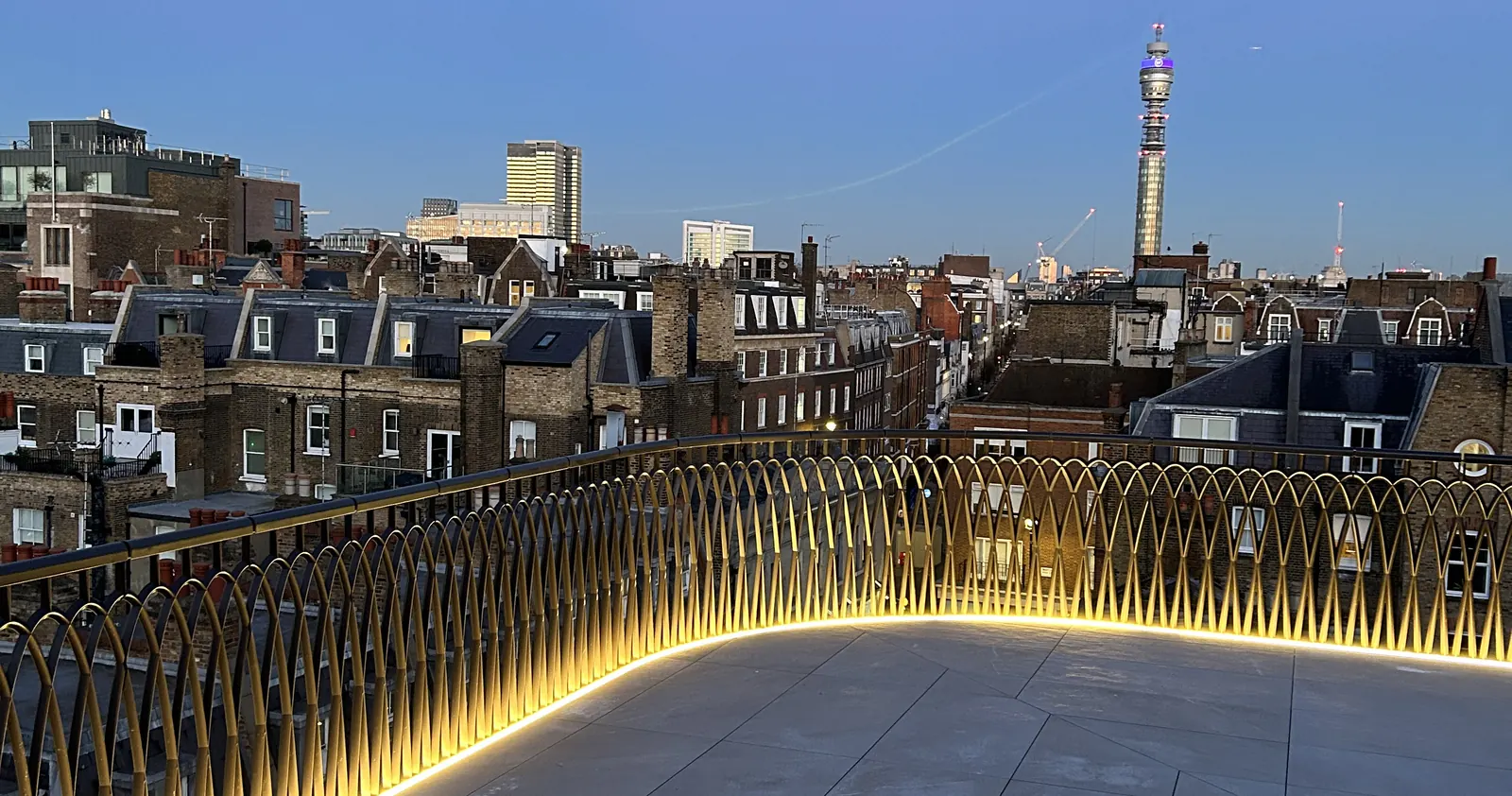
Architecture
How It Looks Is Part of How It Works.
Not every aluminium foundry gets asked to help shape a building’s façade. Hadleigh casts balustrades, rain-screen cladding and internal screens, from a range you can order or as a bespoke design.
- Recent work
- Balustrades for Marylebone Square and W1 Place, London
- For
- Architects, structural engineers and specialist contractors
Quality
Measured, Scanned and X-rayed In House.
If the part matters, the process behind it matters even more: a Hexagon CMM, a FARO arm with laser line probe and in-house digital X-ray, under audited quality systems.

- ISO 9001:2015 and EN 9100:2018
- Bureau Veritas certificate UK015191, valid to October 2029. EN 9100 is technically equivalent to AS9100D.
- IRIS rev. 04
- The rail standard based on ISO/TS 22163. Certified since 2009, current certificate to July 2027.
- Cyber Essentials
- The whole organisation, certified to April 2027. Drawings stay private.
- JOSCAR registered
- For aerospace, defence and security supply chains.
Hadleigh, Suffolk
Family-Run in Hadleigh Since 1969.
The foundry on Pond Hall Road began as Hadleigh Patterns in 1969, and its patterns are still made on site. Today it is run by managing director Chris Warnes, with Nigel Morsman on technical sales and Mark Sarginson on production.
- 1 site
- Patterns, casting, machining and inspection
- 400 kWp
- Of rooftop solar, over 30% of the site’s energy
- 70+ t
- Of CO2 saved a year, by Hadleigh’s estimate

What should I send for a quote?
A drawing or CAD model is ideal: STEP, IGES, CATIA, DWG, DXF, STL, PDF and TIF all work. Add the alloy if you know it, the quantities and any finish, and the engineers will review it with you.
Sand casting or gravity die casting?
Sand casting suits prototypes and low to medium volume production. Gravity die casting is used when larger volumes are needed at a lower unit price. If you’re unsure, send the drawing and ask.
Which aluminium alloys do you cast?
LM4, LM6, LM9, LM25 and LM31 to BS 1490, A356.0, and the aerospace alloys 2L99 and L169, heat treated to suit. The data sheets are on the current Hadleigh Castings website.
Can you machine and finish the castings?
Yes. CNC machining is in house, up to 1626 by 1016 by 762 mm. Anodising, Alochrom and painting go to audited subcontractors, and complete assemblies can be inspected or tested before delivery.
How fast can you make a prototype?
For rapid turnaround projects Hadleigh regularly sources 3D printed sand moulds and cores, so a first casting need not wait for a pattern. Lead times depend on the part, so ask when you send the drawing.
Will our design stay confidential?
Yes. A great deal of the work is carried out under individual privacy agreements, and the company holds Cyber Essentials certification.
Enquiries
Not Sure It Can Be Cast?
Send over your drawing or CAD model and we’ll review it with you. Or call 01473 827281, Monday to Friday, 8.30am to 5.30pm.
Helpful to include
- A drawing or CAD model: STEP, IGES, PDF, DWG, DXF or STL
- The alloy, if you know it
- Quantities: prototypes first, then a year’s volume
- Machining, finish and any deadline